
Pigmentation

Pigmentation refers to the colouration of the skin, hair, and eyes. It is determined by melanin, a pigment produced by melanocytes, specialised cells in the skin. The amount and type of melanin in the skin determine its colour. Both hyperpigmentation and hypopigmentation can be distressing for individuals and may affect their self-esteem. It’s important for individuals experiencing significant changes in pigmentation to consult with a dermatologist for proper evaluation and management.

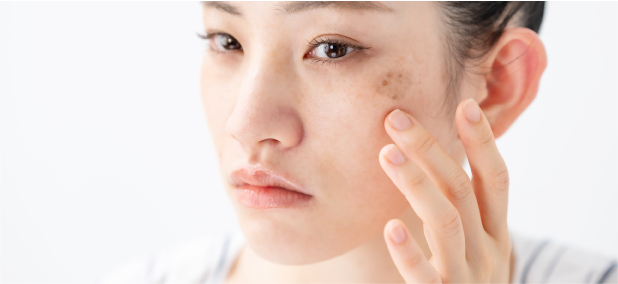
Hyperpigmentation

This occurs when there is an excess production of melanin, resultsin in areas of the skin becoming darker than the surrounding areas. This can be caused by various factors such as sun exposure, hormonal changes (e.g. pregnancy or hormonal therapies), inflammation, injury, or certain medications.
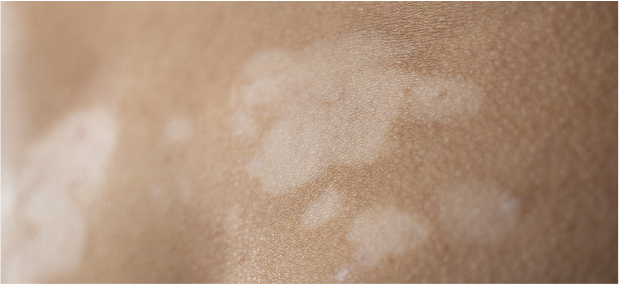
Hypopigmentation

This refers to areas of the skin that are lighter in colour than the surrounding areas. This can be caused by various factors such as sun exposure, hormonal changes (e.g. pregnancy or hormonal therapies), inflammation, injury, or certain medications.

Main causes of skin pigmentation

This occurs when there is an excess production of melanin, resultsin in areas of the skin becoming darker than the surrounding areas. This can be caused by various factors such as sun exposure, hormonal changes (e.g. pregnancy or hormonal therapies), inflammation, injury, or certain medications.

Causes of Hyperpigmentation

  • Sun Exposure – UV radiation prompts melanin production, leading to dakr spots or patches.
  • Hormonal Changes – Pregnancy, hormonal therapies, or imbalances can trigger increased melanin production, causing conditions like melasma.
  • Inflammation – Skin inflammation from conditions like acne can result in post-inflammatory hyperpigmentation.
  • Injury – Trauma to the skin stimulates melanin production, resulting in hyperpigmentation as the skin heals.

Causes of Hypopigmentation

  • Genetic Conditions - Albinism or vitiligo disrupt melanin production or distribution, causing areas of hypopigmentation.
  • Auto-immune Diseases – Conditions like vitiligo lead to depigmentation as the immune system attacks melanocytes.
  • Skin Infections – Fungal or bacterial infections can damage melanocytes, causing hypopigmentation.
  • Trauma – Injuries, burns, or scars can interfere with melanin production, resulting in hypopigmented areas.
  • Medications/Treatments – Certain drugs or therapies may cause skin pigmentation changes as side effects.

For those experienceing pigmentation disorders, consulting a dermatologist is crucial. Individual cases may
involve a combination of factors, and tailored treatments are essential for effective management.

Skin pigmentation encompasses various visible variations in skin colouration. Understanding these variations is essential for skin care and dermatological concerns.

Freckles

Small, flat spots on the skin, often tan or light brown. They commonly occur in sun-exposed areas, such as the face and arms.

Sunspots or Age Spots

These are dark spots that develop due to prolonged exposure to UV radiation. They typically appear in sun-exposed areas and are more common as people age.

Melasma

Melasma presents as patches of dark skin discolouration, especially on the face, triggered by hormonal changes. Pregnancy or hormonal therapy can exacerbate melasma.

Post-Inflammatory Hyperpigmentation

This condition results in dark spots or patches following skin inflammation, such as acne or eczema. It occurs as the skin heals form injury or irritation.

Vitiligo

Vitiligo causes patches of depigmented skin due to the destruction of melanocytes. It can occur on any part of the body and often leads to significant cosmetic concerns.

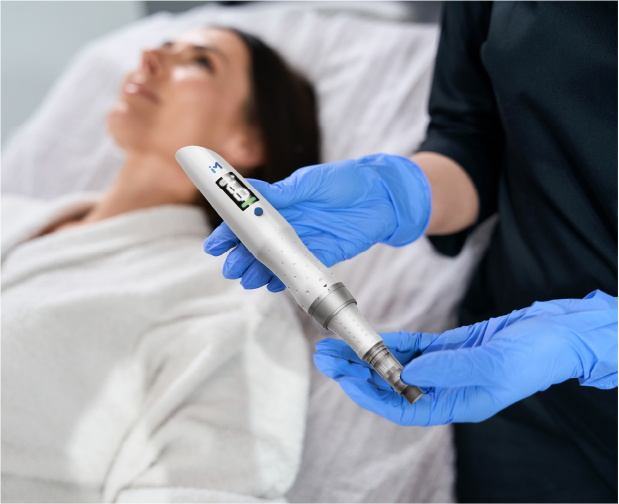
In terms of pigmentation treatment, microneedling can help by promoting the turnover of skin cells, which can gradually fade areas of hyperpigmentation. Additionally, the micro-injuries created during the procedure can enhance the penetration of topical depigmenting agents, such as Vitamin C or hydroquinone, into the skin, further aiding in the reduction of pigmentation. Microneedling is often used in combination with other treatments for pigmentation, such as
chemcial peels or topical lightening agents, to achieve optimal results.

4
SESSIONS
4
WEEK INTERVALS